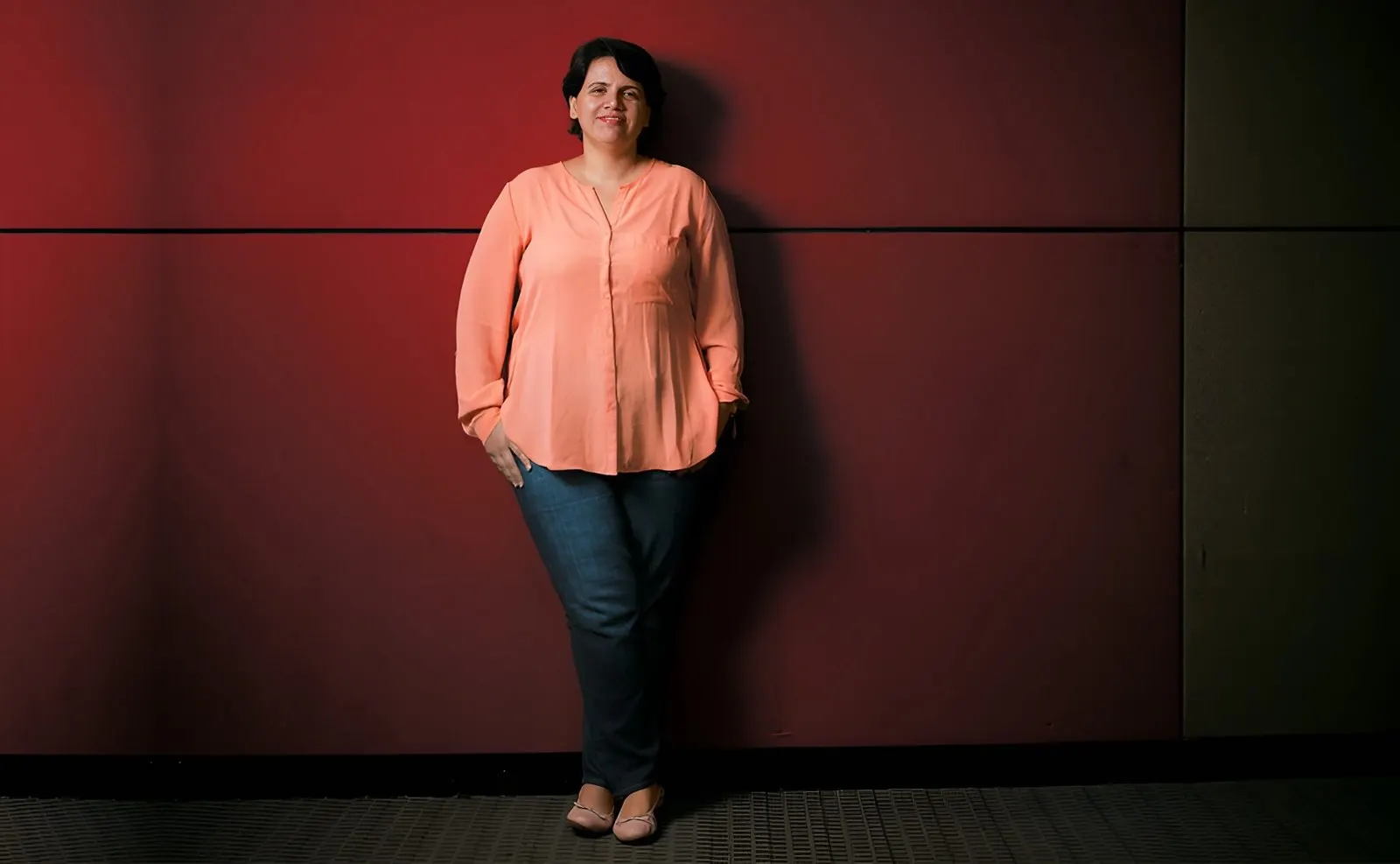
In 2009, most Indians didn’t trust the internet with their money. Smartphones were a luxury. Online payments were a novelty for the brave. And Upasana Taku was already building the infrastructure that would eventually serve over 100 million users.
That’s not hindsight. That’s conviction.
Upasana co-founded MobiKwik at a time when the idea of a digital wallet felt almost absurd to most Indians. She had the technical chops — Stanford-educated, ex-PayPal in Silicon Valley — but more importantly, she had the clarity to see that India’s financial future would be mobile-first, and that the moment to build was before the wave arrived, not after.
MobiKwik didn’t just survive the wait. It shaped the ecosystem. When UPI arrived and digital payments became mainstream, MobiKwik was already there — deeply embedded in the infrastructure, trusted by merchants, familiar to users. The company hadn’t chased the trend. It had helped create it.
What Upasana built is a masterclass in timing and patience. In a world obsessed with the next funding round and the next growth metric, she built for durability. For trust. For a version of India that she believed was coming, even when the evidence was thin.
She didn’t follow the wave. She built before it existed.
That’s the difference between a founder and a visionary. And in India’s fintech story, Upasana Taku is undeniably the latter.
Written by Solvia Media & Legal
The Echelon Journal tells the stories of India's most influential founders, creators and leaders.